It’s funny that, despite how much we now know about the interconnected nature of our bodies and minds, we can still think of health concerns as isolated issues. Take hair loss.
Rather than simply being a ‘beauty’ issue, hair health is tied to so many other systems in the body – and it’s certainly not immune to the age- and stage-specific challenges that come with occupying a female body.
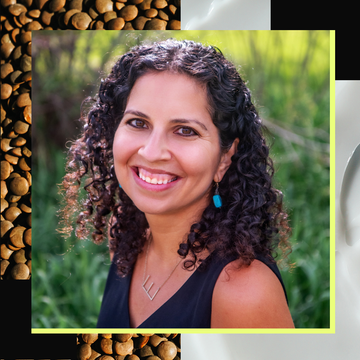
This is something that Anabel Kingsley understands on both a professional and personal level. The daughter of haircare icon Philip Kingsley, she grew up around hair treatments and products and now leads her father’s eponymous brand as a consultant trichologist.
She has also experienced first-hand how health issues – from fertility problems to eating disorders – and the treatments we seek to address them can affect hair health and, sadly, trigger hair loss that can be devastating for self-esteem and confidence, particularly in an era of increasingly punishing beauty standards and a widespread aversion to female ageing.
Now, Kingsley has distilled years of knowledge into her new book, Haircare: The Ultimate Guide (£25, Piatkus). Below, you'll find an exclusive extract, after Kingsley answers our most pressing hair-loss questions – including whether GLP-1 drugs can cause shedding – and shares her rundown of hormonal hair loss.
Jump to:
- How significant has the relationship been between your own female health experiences and your hair?
- Is women’s hair loss more complicated than men’s?
- What should women check if they are experiencing hair loss?
- What role do perimenopause and menopause play in hair loss?
- What should women know about postpartum hair loss?
- What are you seeing in relation to GLP-1 weight-loss drugs and hair loss?
- Can women reduce the risk of hair loss while taking a GLP-1 drug?
- What’s the deal with hair-loss supplements – are they always helpful?
- Why does our hair change during perimenopause and menopause?
- The testosterone consideration
- Will taking testosterone make my hair fall out?
How significant has the relationship been between your own female health experiences and your hair?
‘The biggest impact has come from anything that has affected my hormones or my general health. I’ve had colitis, fertility treatment and heavy periods, and all of those have had implications for my hair.
I also talk in the book about my history of eating disorders. I didn’t want to simply tell women to “eat three meals a day”, because I know our relationship with food can be complicated. I wanted anyone who has experienced an eating disorder and lost their hair to know that it is not necessarily permanent, particularly if they are in recovery.
With fertility treatment, I wasn’t warned that hair loss could happen. I knew it was possible, so I even asked, but I was told it didn’t cause hair loss. After experiencing it myself, and speaking to other women who had undergone fertility treatment, I realised how common it can be.

There is huge hormonal manipulation during fertility treatment. If the treatment is unsuccessful, the emotional devastation can also trigger hair loss. It can feel like a double slap in the face. You feel as though you have failed as a woman, and then your hair, which is also linked to femininity, starts coming out. You are often not warned that this may happen.’
Is women’s hair loss more complicated than men’s?
‘Women’s hair loss is more complicated because it needs to be understood in the context of the whole person. Heavy periods, iron deficiency, fertility treatment, eating disorders, stress, perimenopause and menopause can all have an impact on the hair.
I’ve had heavy periods and fibroids, which made me very prone to iron deficiency. Because I have colitis, I’ve needed iron infusions because I cannot tolerate oral iron. Many women are told that heavy bleeding is normal, but if it is causing iron deficiency, it can also affect their hair.
Women’s health and hair health are not separate things. The word “holistic” is overused, but it really applies here. Hair loss in women needs to be considered alongside the whole body and the whole person.’
What should women check if they are experiencing hair loss?
‘Iron and ferritin are important, as are vitamin B12 and vitamin D. If you can have these checked yearly, that is useful. If you have a deficiency, or your levels are not optimal, you should change your diet or supplement accordingly, then retest after about three months.
It is also important to manage stress as well as you can, because stress can affect the hair-growth cycle, the health of the scalp and the gut.

Also, only take supplements based on what your blood tests show you need. The number of people who take supplements without checking whether they actually need them is incredible. It's also important to remember that there is a difference between being within the normal range and being at an optimal level for hair growth.’
What role do perimenopause and menopause play in hair loss?
‘It is important to educate yourself about what happens during perimenopause and menopause (see extract below), but it is equally important not to assume that every symptom is caused by hormonal change.
If you are tired or bloated, do not automatically assume it must be perimenopause. It could be your thyroid, an iron deficiency or something more serious. You need to see a medical professional rather than simply fobbing yourself off by assuming everything is hormonal.
When oestrogen levels drop, the skin changes and the hair follicle may not sit quite as deeply within the dermis. That may also mean UV exposure has greater potential to damage the follicle after menopause. Protecting the scalp with a hat is sensible, particularly if the hair is thinning.’
What should women know about postpartum hair loss?
‘It is important to get yourself checked during the postpartum period. Monitor your vitamin and mineral levels and try to eat a healthy, balanced diet.
Do not assume that hair shedding is simply normal postpartum hair loss. It may be, but it can also be complicated by iron deficiency, nutritional deficiencies, stress or other underlying health issues.’
What are you seeing in relation to GLP-1 weight-loss drugs and hair loss?
‘Anything that causes rapid weight loss can cause hair loss, just as anorexia, crash dieting or being unwell can. When GLP-1 drugs first came out as weight-loss medication, we expected people to lose hair because of the weight loss.
However, I do not think that is the full picture, and we probably will not understand all the mechanisms for some time. Some drugs appear to be more strongly associated with hair loss than others.
We have seen people who lose weight slowly and still lose their hair, as well as people who lose weight rapidly, reach a healthy weight and maintain it, but whose shedding continues.
Typical telogen effluvium [a common, temporary form of hair loss] lasts for around three to six months and stops after the triggering event. In some people using GLP-1 medication, the shedding does not stop, which suggests there may be an ongoing disruption to the hair-growth cycle.
It could be that people are not eating enough calories. Hair follicles are very metabolically active and need calories from food, not just supplements. There may also be nutritional deficiencies, including iron, vitamin D or vitamin B12. It is also possible these medications affect the gut microbiome, and we know there is a relationship between gut health, scalp health and hair growth.’
Can women reduce the risk of hair loss while taking a GLP-1 drug?
‘If rapid weight loss is going to trigger hair loss, I do not think you can necessarily stop it completely. However, you may be able to minimise the shedding by working with a dietitian or nutritionist, having regular blood tests and making sure your diet is nutrient-rich.
I believe that anyone prescribed a GLP-1 drug should be under proper medical supervision, with blood tests included. You also need enough fibre, because constipation and poor dietary intake may have wider effects on the gut and, potentially, on the hair.
I would not recommend starting [common hair loss medication] minoxidil before you need it simply to prevent shedding. It is a medication, and although you can stop taking it, doing so may also cause hair shedding. It can be helpful, but it should not be used automatically.’
What’s the deal with hair-loss supplements – are they always helpful?
‘We see many clients [experiencing hair loss] who arrive with bags of supplements. They are often taking several products with overlapping ingredients and consuming too much of certain vitamins or minerals without checking their levels.
We have also seen people develop hair loss after having IV infusions at wellness clinics. They can deliver very large amounts of vitamins and minerals, and these treatments are not always properly regulated.
Too much selenium, for example, can cause hair loss. Excessive amounts of some vitamins and minerals can also be harmful, which is why supplementation should be based on blood tests rather than marketing.’
Why does our hair change during perimenopause and menopause?
The following text is extracted from Haircare: The Ultimate Guide by Anabel Kingsley (Piatkus, £25, published 10 September).
Naturally shifting hormone levels are the biggest factor. Hair is incredibly sensitive to sex hormones (think about what happens during pregnancy and postpartum). During perimenopause, oestrogen and progesterone can fluctuate wildly, causing telogen effluvium. This is normal, temporary and should stop.
Post-menopause, oestrogen levels remain low. Your ratio of oestrogen to testosterone also decreases. These factors create a less favourable environment for hair growth.
During perimenopause, both your skin and scalp can change. You may find an existing scalp condition worsens, or that your scalp becomes oilier and itchier.
After menopause, you may find your scalp improves because oil production decreases, although there's huge variation from person to person. This is also when you're more likely to experience a dry scalp, so traditional dandruff treatments may no longer be effective.
Humectants such as glycerine and hyaluronic acid, wash-off moisturising scalp masks or serums, and humidifiers can all help. Speak to your doctor or trichologist about any changes that are bothering you.
Here are some other factors to keep in mind. There are likely many other contributors to hair and scalp changes during this stage of life, but they simply haven't been uncovered yet.
Stress
The symptoms of menopause can be stressful both mentally and physically, which may further contribute to hair loss.
Changes to general health
Some health conditions become more common with age and after menopause, including hypothyroidism and diabetes. These can increase hair shedding, as can some of the medications used to treat them.
Shifting hormonal ratios
After menopause, you are often left with a more androgen-dominant hormonal environment, which can amplify hair changes in some women. This is one reason anti-androgens are often recommended for postmenopausal women experiencing hair thinning.
HRT
If you are considering HRT, speak to your doctor about how it might affect your hair and scalp. Different types of HRT can have different effects. Some may be beneficial, while others may contribute to hair thinning, particularly if your hair follicles are sensitive to androgens. Some have no effect at all.
You may also experience some hair shedding when starting HRT, changing preparations or adjusting your dose. This is normal and usually temporary. HRT may help normalise your scalp's oil production, although some women find their scalp becomes oilier.
If this happens, regular shampooing with a cleansing formula can help. For more information, visit our website page on HRT.
The testosterone consideration
It’s not only oestrogen that decreases after menopause; testosterone does too. Testosterone deficiency (that is, clinically low testosterone levels) has been implicated as a potential cause of hair loss in postmenopausal women.
The mental and physical symptoms of low testosterone may also include fatigue, depression and low libido. These can contribute to stress and emotional turmoil, which may negatively affect the hair-growth cycle.
Will taking testosterone make my hair fall out?
While the relationship between testosterone and hair growth in women is still not fully understood, taking testosterone as part of HRT can cause unwanted changes to scalp hair in some women. Some experience an initial, temporary increase in shedding, while for others the changes may be more long lasting.
If you use testosterone and love how it makes you feel, but it is negatively affecting your hair, medicated treatments may help counteract this. Ask your practitioner about topical or oral minoxidil and/or anti-androgens.
You can also ask about topical finasteride. One caveat: you may develop facial hair. Unfortunately, the same hormonal changes that can thin the hair on your scalp can also increase body and facial hair growth.
Whatever treatment route you choose, attend regular follow-up appointments to ensure your hormone levels remain within a healthy range – and always speak up if something doesn’t feel right. A healthy body and positive mental wellbeing both support healthy hair.

Roisín Dervish-O’Kane is Women’s Health’s multi-award-winning Features Director and Chief Interviewer. From her zeitgeist-capturing commissions to profile interviews that spark global media conversations, her journalism gets right to the heart of the biggest talking points across health, society, culture - and their fascinating intersection.
Heading up WH’s industry-leading features offering, she plans, commissions and edits longform features across the site and magazine on everything from why medical sexism leads women to self-diagnose online and the lasting biological harms of emotional self-suppression to whether the booming longevity industry’s claims tally with the research base. She also launched Well Opinionated, the home of incisive, reactive comment on health news, politics and the latest wellness world controversies.
An experienced presenter - she’s hosted The Women’s Health and Intelligence Squared podcasts - you can find her in front of the camera, drawing out the health stories of WH’s cover stars.
Roisín has been named Writer of The Year by the PPA and made their 30 under 30 list. Her writing has also been recognised by the Medical Journalists Association and Guild of Health Writers, while The Women's Health Podcast, which she produced and hosted, earned a highly commended for 'Best Health Podcast' at the Publisher Podcast Awards.
She is also a regular news review contributor on BBC radio, an experienced panel host - and speaker.