I've been doing reformer Pilates for over a decade, and in that time I've seen some questionable outfit choices at the studio – thick, baggy joggers, tent-like tees and once, even jeans. While I don't expect most people to make a mistake quite that bold, I do understand why dressing for Pilates can feel surprisingly tricky to get right – especially if you're new to mat or reformer Pilates. But after years of classes, I'm convinced the most important thing you wear is also the smallest: grip socks.
Grip socks stop your feet sliding (whether you're doing mat or equipment Pilates), help you feel more secure in precarious positions and are usually required by studios for safety and hygiene reasons. And let's be real, Pilates is not cheap, so the last thing you want is to shell out for a class and then be turned away.
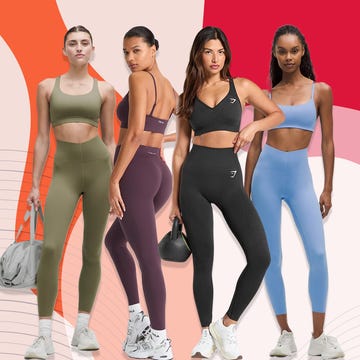
After that, the rest of your Pilates 'fit should do two simple things: move with you and let your instructor see your form. That generally means form-fitting, flexible items like yoga leggings, a longline low-impact sports bra or close-fitting top with built-in support, rather than anything loose, overly restrictive or likely to ride up or roll down.
The one Pilates item I’d never skip: grip socks
Trust me when I say grip socks (sometimes also called yoga, barre or Pilates socks) are not an optional extra. If you're a beginner, this is the one thing I'd buy before anything else. Studios usually insist on them for safety and hygiene reasons, not just to sell you a pair at reception – though you will probably find more choice, and often a better price, if you buy some ahead of your first class.

Ideally you'd wear grip socks for all types of Pilates (including mat), but they're especially important for equipment Pilates, which includes reformer. ‘The beds are made of a smooth leather material, so normal socks can be very slippery and may lead to accidents,’ says Emma Mahama, Pilates instructor and founder of Everybody Reformer.
Grip socks have a sticky tread or grip pattern on the sole that keeps your feet securely locked in, whether you're straddled across the carriage and platform performing standing side splits, are lunging or doing scooters with your foot against the shoulder pad, or simply have your feet in the straps for an end-of-session stretch.
According to Jada-Rae Poku, Master Pilates Instructor at Club Pilates UK: ‘In modalities such as Pilates, you are practising slow, controlled movements that require balance and stability, so grip socks provide added friction and support to ensure you don't slip and fall while moving your body. In addition, wearing grip socks provides an added layer of hygiene and sanitation.’
It’s worth checking that your grip socks fit properly, says Mahama. ‘If a sock is too big, your foot will slide around inside it, and before you know it the grip has shifted to the front or back of your foot,’ she explains. She also recommends checking where the grip is positioned on the sole: ‘I’ve seen socks with pretty patterns and fancy writing underneath, which look great, but they don’t always offer the support and grip you need during class.’
The stability and security a good pair of grip socks provide help you feel confident on the machine and able to perform exercises effectively. In my opinion, it's worth spending a bit more on them, as they can make a real difference to how secure and effective your session feels.
My favourites (above) come from a brand called Lucky Honey. They have an effective and durable honeycomb-shaped grip pattern that covers the whole sole of the foot, and the style I reach for most – the Boyfriend Grip Socks – have a full elasticated cuff to stop the socks from slipping when you're in positions that put a lot of pressure on the feet, such as plank and pike.


If you'd rather spend a bit less to begin with or prefer a low style, I also rate the Alo Pivot socks, with ballerina-inspired straps across the top to keep them in place; Sweaty Betty's leopard print numbers, that look the part as well as perform; and for an effective budget option, you can't go wrong with Gaiam's grip socks.


What to wear on your bottom half
I recommend high-waisted, stretchy yoga leggings for Pilates. They need to be flexible enough to move with you, tight enough to allow your instructor to see your form properly, and certainly not stiff or compressive, as these will restrict your movement – do not wear your gym leggings.
Mahama also recommends sticking to fitted tops and leggings rather than loose clothing, as ‘baggy fabric can get in the way and catch on the equipment in some instances.’ That doesn’t mean you need a brand-new Pilates wardrobe, though: ‘An old, comfortable gym set works just as well. You don’t need to dress like an Instagram model to do Pilates – you just need to be able to move without thinking about your clothes.’
My go-tos are Vuori's AllTheForm Leggings. They're sleek, stretchy and sweat-wicking too, making them ideal for slow as well as fast-paced movement. Some yoga leggings can err on the thicker side, but these are super thin while staying squat-proof, and offer a gentle level of support, which provides just a touch of lift without feeling compressive. They truly move with your body, never need adjusting mid-class and wash well too – I've been wearing mine pretty much on repeat for over a year and they still look good as new.
Otherwise, if I'm going for a slower-paced class (or my Vuoris are in the wash) I wear lululemon's Align leggings. These have a soft, second-skin feel and have to be one of the most comfortable pairs of leggings on the planet. The wide, high waistband keeps you tucked in without feeling like you're being chopped in half every time you bend.


If you prefer a flared legging, just make sure they're not too wide at the base so they don't drag or slip. TALA's DayFlex High Waisted Flared Yoga Pants don't have a front seam (if you know, you know), have a gentle flare and are super stretchy – plus they have one of the most inclusive size ranges going.
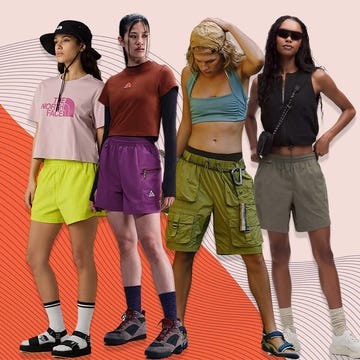
If you're doing dynamic Pilates or tend to get hot, then you might prefer shorts. I like Sweaty Betty's Ultimate Studio 6" Yoga Shorts. They don't cut in at the waist or thigh hem, have a handy drop-in pocket for your phone and stay put while you move. lululemon also do a shorts version of their Align leggings, which are excellent too.
What if I'm plus size?
Our plus-size tester tells me that TALA's DayFlex High Waisted Flared Yoga Pants are the most flattering things she's ever worn, Pilates or not. They come in four lengths and the size ranges from a 2XS to a 4XL, which translates to UK sizes 6–22. Our tester also loves lululemon's Align High-Rise Pant, which is available in three lengths and go up to a UK size 24.
What to wear on your top half
Again, form-fitting is best here, as it allows your instructor to properly see your alignment, rib position, shoulders and hips. Many people simply wear a low-impact sports bra, which works well, and if you have a favourite, stick with that – provided it's designed for low-impact work and not compressive. I personally like a longline bra that meets the top of my leggings (my current favourite is the lululemon Like a Cloud Ribbed Longline Bra).
Best strappy sports bras for Pilates


If you do want a bit more coverage, I recommend a close-fitting top with a built-in bra. This means you avoid any unnecessary compression caused by wearing two tight garments up top, and there's less chance of anything needing to be adjusted mid-flow. H&M's affordable SculptMove Vest Top is a fantastic option – the pretty strappy back allows full shoulder mobility, it has comfortable bra shelf with removable padding and comes in six on-trend neutrals that you can easily match with the rest of your kit.
Best Pilates tops


lululemon's Align Tank Top does a similar job but with a touch more luxe and extra coverage across the back, ideal if you find you stick to the reformer carriage when more skin is uncovered. If you want something a little looser that still lets your instructor see your form properly, I recommend Vuori's Energy Top. It's soft, light, airy, stretchy and so easy to move in – you basically don't feel it. It follows your shape without clinging, doesn't ride up in inversions and overlaps neatly with the top of high-waisted leggings.
For more coverage, a wrap top like H&M's Modal Sports Wrap Top or Sweaty Betty's Soft Flow Studio Long Sleeve Top is a great option, offering customisable breathability and a close-to-body silhouette without being overly tight. (Plus they look gorgeous, too.) For a short sleeve option, I like BAM's Flow Top – the brand consistently makes some of the softest activewear around, with the added bonus that the bamboo fabrication is naturally breathable and temperature-regulating.
Best Pilates sets
Let us be clear: looking put together is not the point, nor a requirement. But if you are someone who loves a co-ord (no shade), these are our favourites, tested on the Reformer.


What not to wear to Pilates
Essentially, you want to avoid wearing anything overly loose and bulky, or, at the other end of the spectrum, anything overly compressive or restrictive.
While there is a trend towards working out in slouchy joggers, I'm afraid they just don't cut it for Pilates. When form and positioning is everything, scrunched up fabric getting in the way can hinder your performance. The same goes for oversized T-shirts, which can bunch up or fall over your face in certain moves – and, of course, block your instructor's view of your form.
Avoid high-impact sports bras – they'll become uncomfortable and may limit your chest and shoulder movement – and steer clear of anything with a restrictive waistband. Your kit needs to move with you, not against you.
Don't wear socks without grip, and note that going barefoot is only acceptable for mat Pilates, but check with your studio – they may still require you to wear grip socks.
If you prefer to wear looser shorts, just make sure they're not overly baggy and have a liner – flashing your reformer neighbour in a single-leg glute bridge is not the one.
It's also advised you take off any jewellery that may get in the way. Small earrings are usually fine, but bear in mind you may be lying on your side in some positions, where they might dig in uncomfortably.
My Pilates outfit formula
My go-to is simple: grip socks, high-waisted yoga leggings and either a longline sports bra or fitted tank. It's not about looking polished, it's about feeling secure, moving freely and giving your instructor the best chance of helping you improve.
Here's what to wear and bring with you to your Pilates class:
- Grip socks
- Yoga leggings or shorts
- Longline sports bra or fitted top
- Water bottle
- Hair tie, if you have long hair
- Small hand towel
- Pilates or yoga mat, if required by the studio (you don't need this for reformer classes)
Pilates FAQs
What should a beginner wear to Pilates?
Grip socks are a must, particularly for equipment Pilates (Reformer, Tower, Cadillac, Wunder Chair), plus you need comfortable clothing you can move easily in – leggings and a sports bra or close-fitting workout top is best.
Are leggings or shorts better for Pilates?
Both work, but leggings are generally preferred as they offer more coverage and can make some movements more comfortable – for example side plank or other moves where you might adapt with your knees down. Bare skin on the reformer doesn't move as smoothly as material.
What is the dress code for Pilates?
Outside of many studios insisting on grip socks, there's no strict dress code. Just wear comfortable, stretchy clothing you can move in. If it's closer to the body that allows your instructor to better see your form, but it's by no means a requirement.
More Pilates shopping...
- Looking to do Pilates at home? These are the 7 best reformers we've tested
- 8 best Pilates rings for home workouts in 2026
- 6 best Pilates bars for recreating reformer Pilates workouts from home
Hattie Parish is the Senior Health and Wellness Ecommerce Editor for Women’s Health, Men’s Health and Runner’s World, covering the best gym wear, latest fitness tech and wellness launches worth investing in, plus the best deals during Black Friday and Amazon Prime Day.
As well as clocking up the miles in myriad running socks, pummelling her muscles with massage guns, testing out fitness mirrors and donning dry robes every other weekend, Hattie consults leading experts in the health and fitness industry to help readers make informed decisions when shopping online.
Brought up by two medics, Hattie worked in health clinics before completing a BA in English at King’s College London. She qualified as a journalist in 2015 and has since written for titles such as Healthy magazine, Cosmopolitan, Harper’s Bazaar and Red, as well as worked commercially with health and wellness clients such as Holland & Barrett, Lloyds Pharmacy and Superdrug.
Hattie is passionate about arming readers with honest, unbiased product reviews and has a particular interest in the role of technology in our wellbeing, as well as gender-based inequalities in healthcare. When she’s not putting gym wear through its paces on the Pilates reformer or kitting out her home gym (garage) with the latest equipment, she’s attempting to make progress on her teetering pile of bedside books, cycling round South East London or sampling wellness retreats for the Women’s Health travel pages.