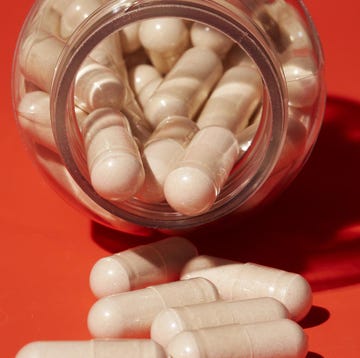
A Dietitian Says These Are the Best Protein Powders for Women
From whey to plant-based options, these powders make it easier to meet your daily protein needs.
 Reviewed by Natascha Grief, NASM-CPTFitness & Reviews Editor

Women's Health may earn commission from the links on this page, but we only feature products we believe in. Why Trust Us?
Women are stepping into their strongest era yet, and I’m here for it. More of us are lifting, running, and prioritizing fitness than ever before, with a growing focus on long-term health, hormone balance, and feeling good day to day. As a dietitian, I always recommend starting with whole foods as the foundation of a balanced diet. Still, real life gets busy, and a high-quality protein powder can make it easier to meet your daily protein needs when meals alone don’t cut it.
That said, not all protein powders are created equal, and concerns about their contaminants—particularly heavy metals—have made headlines. However, Ryan Marino, MD, a toxicologist at Case Western Reserve University School of Medicine, cautions against unnecessary alarm. “Heavy metals are naturally occurring elements on Earth, and exposure to some is essentially impossible to avoid,” he says. “While exposure to large amounts can cause toxicity, trace amounts do not necessarily pose a health risk.” He stresses the role of FDA and EPA regulations in testing for harmful substances and reducing exposure, further reinforcing the need for third-party testing to ensure label accuracy and product safety.
Best Protein Powders
- Best Overall: Promix Whey Protein Powder
- Best Meal Replacement: Ka'Chava Nutrition Shake
- Most Accessible: Orgain Chocolate Plant Protein Powder
- Best for Recovery: Thorne RecoveryPro
- Best for Athletes: Momentous Plant Protein Powder
- Best for Pregnancy: Ritual Essential Protein Daily Shake
Before choosing one for your routine, it's essential to consider key factors like the protein source, protein content (and cost) per serving, and—just as importantly—taste. After all, if you don’t enjoy it, you’re unlikely to use it. Fortunately, I’ve discovered plenty of great-tasting options, so you’ll surely find one that works for you.
How We Selected
I’m a St. Louis-based registered dietitian with nearly a decade of experience in nutrition writing and editing. The Women’s Health team has been updating this story since 2023. After carefully evaluating dozens of protein powders for a month, I’ve narrowed down the best options, assessing their quality, third-party testing standards, formulation, digestibility, and effectiveness for recovery. I also looked to Women’s Health editors and contributors, including fitness and reviews editor Natascha Grief, NASM-CPT, for their honest feedback to see which are the real deal for staying strong.
 Best Deal


Promix Whey Protein Powder

Promix Whey Protein Powder
Pros
- Delivers a highly concentrated source of protein with minimal fillers
- Formulated with simple, high-quality ingredients, free from unnecessary additives
- Ultrafiltered whey isolate is designed for easier digestion, making it a great option for those with lactose sensitivity

Cons
- Packaging can be difficult to reseal
- The mildly sweet flavor may not appeal to those who prefer a richer taste
- Higher price point compared to other options

A premium whey protein powder should deliver high-quality ingredients, minimal additives, and full transparency, and Promix Whey Protein Powder does the job. I tried the strawberry milk flavor, and it blended effortlessly in a shaker bottle to create a smooth, pastel-pink shake, naturally tinted with organic beetroot.
Sweetened lightly with real strawberry powder and monk fruit, it offers a subtle, creamy strawberry flavor, but is a bit on the mild side for those with a more potent sweet tooth (*raises hand*). If strawberry isn’t your thing, chocolate and vanilla are tasty options crafted with natural ingredients like fair-trade cocoa and organic vanilla extract.
Have an aversion to all these flavors? The unflavored version keeps it simple with two ingredients: whey protein isolate and sunflower lecithin to improve mixability. WH managing editor Laura McLaughlin loves that it completely disappears into whatever she’s mixing it into. “I swirl it into my coffee, I drop it into the kids’ morning smoothie, and I blend it into their weekend pancakes,” she says. “Although I know it is in my coffee, it is pleasant and satisfying.”
Unlike concentrates, isolates offer higher protein content and are digested more easily. Each serving of Promix delivers a hearty 30 grams of protein with only 0.5 grams of fat and 2 grams of carbs. Thanks to its ultra-filtered isolate form, most lactose—the natural sugar found in milk—is removed, making it a suitable option for many with intolerance.
The protein undergoes third-party testing through Eurofins and Covance labs to ensure purity and potency. At $1.29 per serving for the unflavored version and up to $2.46 depending on flavor and subscription, it’s a valuable option for a rigorously tested protein powder.
A quick heads-up on the packaging: Its Velcro-style mesh seal can be finicky if powder gets caught in the grooves, making it tricky to close properly. A firm press along the edges usually does the trick, but it’s worth keeping in mind to avoid any spills (and learning the hard way like I did).
Read More: Best Whey Protein Powder
| Protein Source | Grass-fed whey protein isolate |
| Protein Per Serving | 30 grams |
| Flavors | Unflavored, chocolate, vanilla, strawberry milk |
| Price Per Serving | $1.80 |
Ka'Chava Nutrition Shake

Ka'Chava Nutrition Shake
Pros
- Balanced macronutrient profile to support overall nutrition
- Features over 85 superfoods, including protein, fiber, omega-3s, antioxidants, and adaptogens
- Provides a complete amino acid profile from yellow pea and brown rice proteins
Cons
- Not suitable for coconut and sesame allergies
- Only 240 calories per serving, which may not be enough to fully replace a meal
- Premium price at $4.66 per serving ($3.99 with subscription)
Ka’Chava All-In-One Nutrition Shake is a protein powder that’s also a nutrient-dense, well-rounded meal alternative packed with over 85 superfoods. Unlike traditional protein shakes, it’s designed to bridge nutritional gaps, support digestion, and promote overall wellness with a balanced mix of macronutrients and micronutrients.
Six flavors are offered—vanilla, chocolate, coconut acai, matcha, chai, and the newest one, strawberry—and I was pleasantly surprised by how well it balanced flavor despite its diverse ingredient list, ranging from plant proteins to quinoa to mushrooms to beets, without added sugar. As a coffee lover, I even enjoyed the Matcha flavor’s gentle and earthy sweetness. The powder dissolves well with minimal grittiness, especially when mixed with a shaker bottle.
I prefer solid meals over liquid ones—most smoothies leave me hungry within 30 minutes. But blending the vanilla flavor with almond milk and coffee kept me surprisingly satisfied during two hours of unexpected errands.
It blends yellow pea and whole-grain brown rice proteins, ensuring a complete amino acid profile that comes out to 25 grams per serving. But that’s not all—it goes beyond protein by incorporating prebiotics, probiotics, and digestive enzymes to support gut health, along with adaptogens for stress management, antioxidants for inflammation, omega-3s for brain and heart health, and greens for immune support.
Despite its impressive nutrient lineup, it remains relatively light at 240 calories per serving. While this may work for some, it’s not substantial enough to replace a full meal for most people. Another consideration is its sodium content—450 milligrams per serving may be too high for those monitoring their intake.
At $4.66 per serving (or $3.99 with a subscription), Ka’Chava is also on the pricier side. Whether it's worth it depends on your priorities, but for a nutrient-packed, convenient option, it delivers.
Read More: Best Supplements for Women
| Protein Source | Yellow pea, organic brown rice, organic sacha inchi, organic amaranth, organic quinoa |
| Protein Per Serving | 25 grams |
| Flavors | Chocolate, vanilla, coconut acai, matcha, chai |
| Price Per Serving | $4.66 |
Orgain Chocolate Plant Protein Powder


Orgain Chocolate Plant Protein Powder
Pros
- Contains prebiotics and fiber to support digestion and gut health
- Over five flavor options, including classics and unique choices like Horchata and Fruity Cereal, so there’s something for everyone
- Certified USDA Organic and non-GMO
Cons
- The largest container offers only 20 servings, which may require more frequent repurchasing
- It has a higher carb and fat content compared to some other protein powders
- Some flavors are sweetened with erythritol, which may not suit those sensitive to sugar alcohols.
Finding a quality protein powder at an affordable price can be a challenge, but Orgain Organic Protein Powder delivers on all fronts. At around $1.55 per serving on Amazon, this USDA-certified organic formula delivers balanced nutrition without the premium price tag.
I tested the creamy chocolate flavor and found it pleasantly rich, with only a mild pea protein aftertaste—pretty standard for plant-based powders. Despite being dairy-free, it blended surprisingly creamy. If chocolate isn’t your thing, there’s a range of flavors, including fruity cereal, horchata, pumpkin spice, strawberries and cream, and vanilla.
Each serving packs 21 grams of plant-based protein from a blend of organic pea, brown rice, and chia seed proteins for a comprehensive amino acid profile. While it contains up to 16 grams of carbs and 5 grams of fat per serving—higher than some competitors—this nutrient profile makes it a satisfying option that can double as a mini meal replacement. Plus, the added prebiotics and dietary fiber support digestion, blood sugar balance, and heart health.
However, there are a few caveats. Some flavors contain up to 450 milligrams of sodium per serving (20 percent of the daily value), which may be a consideration for those watching their intake. The iced coffee flavor also packs 60 milligrams of caffeine, which can be a plus for some, but something to note if you’re sensitive to caffeine. Additionally, the formula includes gums (and erythritol in select flavors), which can cause digestive discomfort in some individuals, though I didn’t have any issues.
Read more: Best Vegan Protein Powders
| Protein Source | Pea, brown rice, chia seed |
| Protein Per Serving | 21 grams |
| Flavors | Chocolate, fruity cereal, horchata, pumpkin spice, strawberries and cream, iced coffee, vanilla |
| Price Per Serving | $1.42 |
Thorne RecoveryPro

Thorne RecoveryPro
Pros
- Rich in magnesium to promote sleep
- Strong chocolate taste
- Mixes into liquid smoothly
Cons
- Low protein compared to other options
- More expensive per serving
Maximizing your fitness is also about how well you recover. While protein powder supports muscle repair, Thorne RecoveryPro goes a step further by combining whey protein with targeted ingredients to optimize muscle healing and sleep.
As someone who struggles with consistent, deep sleep, I’ll be honest—I was skeptical. But the rich chocolate aroma was instantly inviting, and the taste? Smooth, indulgent, and perfectly balanced when mixed with warm water or unsweetened almond milk. It quickly became my cozy nighttime ritual, especially during these cold Midwest winters. (IYKYK.)
The real test, though, came after the lights went out. For the first time in a long time, I slept soundly—no tossing, turning, or middle-of-the-night bathroom trips. I felt fresh and energized for my morning run. Whether from the recovery-supporting ingredients, the quality of sleep, or a mix of both, I won’t argue.
Each serving delivers 13 grams of whey protein, packed with essential amino acids like BCAAs and cysteine to support muscle protein synthesis and growth. Consuming protein before bed fuels recovery, can curb late-night cravings and keep you on track with your nutrition goals. Its protein per serving is much less than other options on this list, so you might want to pair it with another powder if you’re looking to build muscle.
But Thorne doesn’t stop at protein. Magnesium bis-glycinate, a highly bioavailable form of magnesium, helps relax muscles and promote restful sleep. Tryptophan, an essential amino acid, supports the production of serotonin and melatonin to regulate sleep cycles. Then there’s PharmaGABA, a clinically studied form of GABA that reduces stress, enhances relaxation, and supports immune function under physical strain.
Beyond its innovative formula, it’s NSF Certified for Sport, meaning it meets the highest standards for purity, safety, and compliance. The downside? At $4.50 per serving, it’s very pricey. But if it fits your budget, this blend delivers more than just protein—it’s a comprehensive approach to recovery.
| Protein Source | Whey protein |
| Price Per Serving | $4.50 |
| Protein Per Serving | 13 grams |
| Flavor | Chocolate |
Momentous 100% Plant Protein Powder

Momentous 100% Plant Protein Powder
Pros
- NSF Certified for Sport, ensuring purity and safety for competitive athletes
- Updated formula with no gums, fillers, or stabilizers
- Sourced from the U.S. and Canada for better ingredient traceability
Cons
- Pricier at $2.27 per serving without a subscription
- Limited flavor options (chocolate and vanilla spice)
- Pea and rice protein texture may not suit all preferences
Momentous 100% Plant Protein stands out for vegans and competitive athletes. Its upgraded plant-based formula prioritizes quality and sustainability, while its NSF Certified for Sport label guarantees it’s free from banned substances and meets rigorous purity standards.
It comes in two flavors: chocolate and vanilla spice. Chocolate features a blend of organic cocoa, cane sugar, and natural sweeteners like stevia and monk fruit extract, delivering a deep, satisfying cocoa flavor. Vanilla spice, on the other hand, offers a unique twist with cinnamon, ginger, anise seed, and black pepper for a subtly warm, spiced experience.
After trying both, I preferred the chocolate—it had a richer, more indulgent taste, whereas the vanilla spice left me wanting more spice. That said, both mixed impressively well for a plant-based protein, with minimal grittiness and residue left behind when shaken in a blender bottle.
It uses an updated recipe of its signature PURISblend, which is 20 grams of protein from a refined combination of pea and rice, with a slightly adjusted ratio. Despite the change, it remains a complete protein and supplies all the essential amino acids your body needs.
Priced at $2.27 per serving without a subscription, Momentous is a higher-end protein powder compared to other vegan options in this guide. However, with a subscription, the price drops to $1.70 per serving, making it a more affordable, premium option supported by third-party certifications.
| Protein Source | Pea and rice proteins |
| Protein Per Serving | 20 grams |
| Flavors | Chocolate and vanilla spice |
| Price Per Serving | $2.27 |
Ritual Essential Protein Daily Shake Pregnancy & Postpartum

Ritual Essential Protein Daily Shake Pregnancy & Postpartum
Pros
- Specially designed to meet the unique nutritional needs of pregnancy
- Each batch undergoes heavy metal testing
- Vegan-friendly, gluten-free, soy-free, and non-GMO, with full ingredient traceability for transparency
Cons
- Contains smaller servings, with each bag offering just 15 servings
- Does not come with a serving scoop
Founded by Katerina Schneider, Ritual was born from her personal mission: Finding high-quality supplements during pregnancy. That search led to the creation of science-backed formulas like the Essential Daily Shake for expecting and new mothers.
Each serving provides 20 grams of organic pea protein, supporting maternal and fetal development. While pea protein is a complete source, it’s naturally lower in methionine, an essential amino acid. Ritual fortifies the formula with methionine for a more balanced amino acid composition.
This pregnancy-focused shake also includes 250 milligrams of choline, a vital nutrient for neural tube formation, brain development, and overall maternal well-being. Given that choline needs increase significantly during pregnancy, this intentional addition is a notable plus.
As for taste, it has a delicate vanilla flavor with a touch of earthiness and subtle sweetness. It mixes smoothly with water, though I found it even more enjoyable with almond milk, which enhances the texture and flavor, IMO.
For the peace of mind of expecting moms, each batch undergoes heavy metal testing, with results provided via the Certificate of Traceability.
One potential downside is its sodium content—220 milligrams per serving—so those monitoring their intake should take note. The mesh-like Velcro seal can also be tricky to close if powder gets stuck, and it doesn’t include a scoop. At $3.27 per serving without a subscription (or $2.35 with it), it’s undoubtedly a premium option, too.
| Protein Source | Organic pea |
| Protein Per Serving | 20 grams |
| Flavors | Vanilla |
| Price Per Serving | $3.27 |
Bare Performance Nutrition Whey Protein + Casein Protein Powder Blend

Bare Performance Nutrition Whey Protein + Casein Protein Powder Blend
Pros
- 25 grams of complete protein with all nine essential amino acids
- Creamy texture from a blend of whey protein concentrate and micellar casein
- Wide variety of flavors
Cons
- Contains dairy and may not be suitable for those with lactose intolerance
- Not ideal if you prefer an unflavored option
Getting enough high-quality protein becomes increasingly important with age. Whey has the strongest evidence among protein powders for supporting lean muscle, strength, and physical function when combined with strength training.
Each serving provides 25 grams of complete protein, meaning it contains all nine essential amino acids, and falls within the 20- to 30-gram range I typically recommend per serving. It combines whey protein concentrate and micellar casein, giving it a richer texture that works just as well when blended into smoothies as when shaken with milk or water.
I’ve gone through more protein powders than I can count, and this is still one I always have on hand. I’m partial to the blueberry muffin flavor, but I’d be just as happy restocking any of the others I’ve tried.
Read More: Best Supplements for Women Over 50
| Protein Source | Whey |
| Protein Per Serving | 25 grams |
| Flavor | Variety of flavors |
| Price Per Serving | $1.85 |
What to Consider
Protein source
When selecting a protein powder, consider the source and how it aligns with your dietary preferences and goals.
- Animal-based: Protein powders from animal sources, such as whey, casein, and collagen, provide all nine essential amino acids your body needs for muscle growth and repair. Out of the 20 amino acids, nine are essential and must come from food—animal-based proteins contain all nine, while plant-based sources may be lacking one or more, says Dana White, RD, a sports and culinary dietitian and athletic trainer who specializes in sports nutrition. If you’re looking for a complete amino acid profile to support muscle recovery and strength, animal-based proteins are a reliable choice.
- Plant-based: Derived from sources like soy, hemp, pea, or rice (or a blend of these), plant-based protein powders offer a great option for those who prefer to avoid animal products. While individual plant proteins may lack certain essential amino acids, combining various plant-based sources can provide a complete amino acid profile. These options aren’t just for plant-based dieters; they’re also excellent dairy- and lactose-free alternatives for those with milk-based allergies and intolerances.
Protein per serving
A protein powder should, first and foremost, deliver a good dose of protein—but how much is ideal? While individual needs vary based on factors like body weight, activity level, and overall diet (more on that later), a general benchmark is around 20 grams per serving. This amount is effective for stimulating muscle growth and supporting recovery.
Protein powder also comes with the added benefit of flexibility. You can easily adjust your intake by adding more or less powder to fit your specific goals and nutritional needs.
Price per serving
Through extensive research and firsthand experience, I’ve found that many high-quality protein powders typically cost under $2 per serving. Anything above this threshold is generally considered a premium or specialty product, often containing added ingredients like carbohydrates and fats for meal replacement or extra components to support sleep and recovery.
Keep in mind plenty of excellent options are available at lower price points, and striking the right balance between cost and quality is key to making the best choice for you.
Flavor
A great-tasting protein powder can make all the difference in staying consistent with your intake. The protein source itself plays a big role in taste and texture. Plant-based proteins often have a more pronounced, earthy flavor, while milk-based options tend to be creamier and milder. Chocolate and vanilla remain tried-and-true choices, but many brands offer a wide range of flavors to match more adventurous preferences.
When selecting a flavor, also consider how you’ll use your protein powder most often. If protein smoothies are your go-to, choose one with good solubility for a smooth, clump-free texture. For maximum versatility, classic vanilla blends effortlessly into fruit smoothies, overnight oats, baked goods, and protein pancakes.
Meet the Experts
- Ryan Marino, MD, is a toxicologist at Case Western Reserve University School of Medicine.
- Dana White, RD, is a sports and culinary dietitian and athletic trainer who specializes in sports nutrition.
FAQs About Protein Powder
How much protein do women need?
Women require a minimum of 0.8 grams of protein per kilogram of body weight to support essential physiological functions. However, research suggests that increasing protein intake to between 1.2 and 2.0 grams best supports muscle recovery, athletic performance, and overall well-being.
It’s also important to note that protein needs can vary depending on factors such as activity level, age, pregnancy, and overall health. For personalized recommendations, consult your health care team.
Who should avoid protein powder?
Protein powder is safe for most people, but certain individuals should use caution or avoid it altogether. Those with kidney or liver disease, metabolic disorders, or allergies to common protein sources should consult a health care provider before use. Pregnant and breastfeeding women should also seek medical advice to ensure safety. Additionally, individuals taking medications that affect protein metabolism or those with digestive sensitivities should carefully review ingredient lists to avoid adverse reactions.
If you’re unsure whether protein supplementation is right for you, speak with a health care professional to determine the best approach for your needs.
Is it safe to consume protein powder every day?
Consuming protein powder daily is generally safe, provided most of your protein comes from whole food sources and you don’t have medical conditions warranting caution. As always, speak to your doctor first if you have specific concerns.
What ingredients should be avoided in protein powder?
It depends on individual needs, sensitivities, and allergies. For instance, those with dairy allergies should steer clear of whey and casein, while individuals with celiac disease must avoid any protein powders containing gluten. Additionally, it’s best to minimize products with artificial sweeteners, unnecessary fillers, and excessive additives, as these can compromise quality, digestibility, and overall health benefits.
Sydney Lappe, RDN, is a St. Louis-based dietitian with nearly a decade of experience in nutrition writing and editing. With a background in psychology, she writes about the connections between diet, fitness, and mental health.
Natascha is an editor and writer covering health, fitness, and the ways people move through the world. She’s been a NASM-certified personal trainer for more than a decade, with a background in functional strength training, corrective exercise, nutrition, and behavior change. She has additional CES, CNC, BCS, and SFC certifications. She is also a level-2 certified Spinning instructor. Her work has appeared in Bicycling, Runner’s World, and other outlets, and her experience spans both editorial and hands-on work across the fitness industry. Whether she’s writing about training, health, or performance, she’s most interested in making complicated topics useful, approachable, and helpful.


Why Women Should Take Creatine

An RD’s Top Protein Picks for Women Over 50

The Most Important Supplements for Women in Every Decade

The Best Dietitian-Tested Supplements for Women