The Best Protein Powders, Bars, and Shakes for Women Over 50
RD-approved protein picks for staying strong after 50.
 Reviewed by Natascha Grief, NASM-CPTFitness & Reviews Editor

Women's Health may earn commission from the links on this page, but we only feature products we believe in. Why Trust Us?
As a dietitian, protein is at the top of my “pay attention to” list, and getting enough becomes especially important as we age through every decade. It becomes even more important as we approach menopause and get into our 50s. Maintaining muscle and strength becomes more challenging over time, and our muscles don’t respond as strongly to smaller amounts of protein. That’s where the best protein supplements for women over 50 can help out (in coordination with a balanced, whole foods diet of course).
That’s why I’m pretty picky about the protein products I recommend, whether that’s protein powder, meal replacement shakes, or protein bars. I look for options that provide a meaningful amount of high-quality protein to support muscle. Pair adequate protein with regular resistance training, and you’re giving your muscles both the protein and the stimulus they need to stay strong.
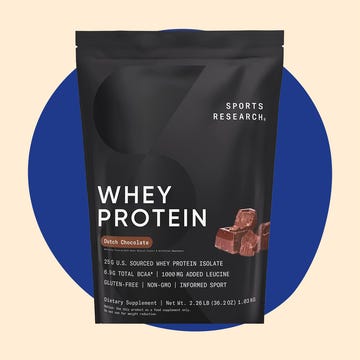
- Best Whey Protein: BPN Whey Protein Isolate
- Best Plant-Based Protein: NOW Sports Soy Protein Isolate
- Best Ready-to-Drink Protein Shake: Fairlife Nutrition Plan
- Best Protein Bar: Quest Nutrition Protein Bars
- Best High-Protein Meal Replacement: Huel Black Edition RTD
- Best Collagen: Vital Proteins Collagen Peptides
I look beyond protein grams, too. Of course ingredients matter, but so do taste and convenience. After all, there’s not much value in buying a protein powder, bar, or shake that you don’t like or never reach for. Whether you want a powder for your morning smoothie, a bar to stash in your bag, or a shake that’s ready to head out the door, here’s what I look for before recommending one.
 Best Deal

BARE PERFORMANCE NUTRITION Whey Protein Isolate

BARE PERFORMANCE NUTRITION Whey Protein Isolate
Pros
- High-quality whey isolate with 3 grams of leucine per serving to support muscle
- Minimal lactose compared with whey concentrate
- NSF Certified for Sport

Cons
- Only available in three flavors
- Contains milk, so it isn’t suitable for people with a milk allergy or those looking for a plant-based option
- Thinner consistency compared to whey concentrate

Each scoop provides 25 grams of whey protein isolate and 3 grams of leucine, putting it right in the range I look for in a protein powder. Research consistently supports combining whey protein with resistance training to help preserve and build muscle, which can help you maintain strength as you age.
Because it’s an isolate, most of the lactose has been filtered out. It isn’t completely lactose-free, but it may be easier to tolerate if other dairy products tend to bother your stomach.
Whether you choose chocolate, mocha, or vanilla, it’s an easy way to add protein throughout the day. Mix it with water, blend it into a smoothie, or stir it into oatmeal or yogurt. Just keep in mind that whey isolate tends to be lighter and thinner than whey concentrate or casein, especially when mixed on its own.
It’s also NSF Certified for Sport, and the whey is Truly Grass Fed certified, meaning it meets certain standards for grass-fed dairy from Irish farms. That commitment to quality is one reason I’ve kept BPN products in my supplement routine for years and feel confident recommending them.
Read More: Best Whey Protein Powders
| Protein Source | Grass-fed whey protein isolate |
| Protein per Serving | 25 grams |
| Flavors | Fudge chocolate, mocha, vanilla |
| Third-Party Testing | NSF Certified for Sport |
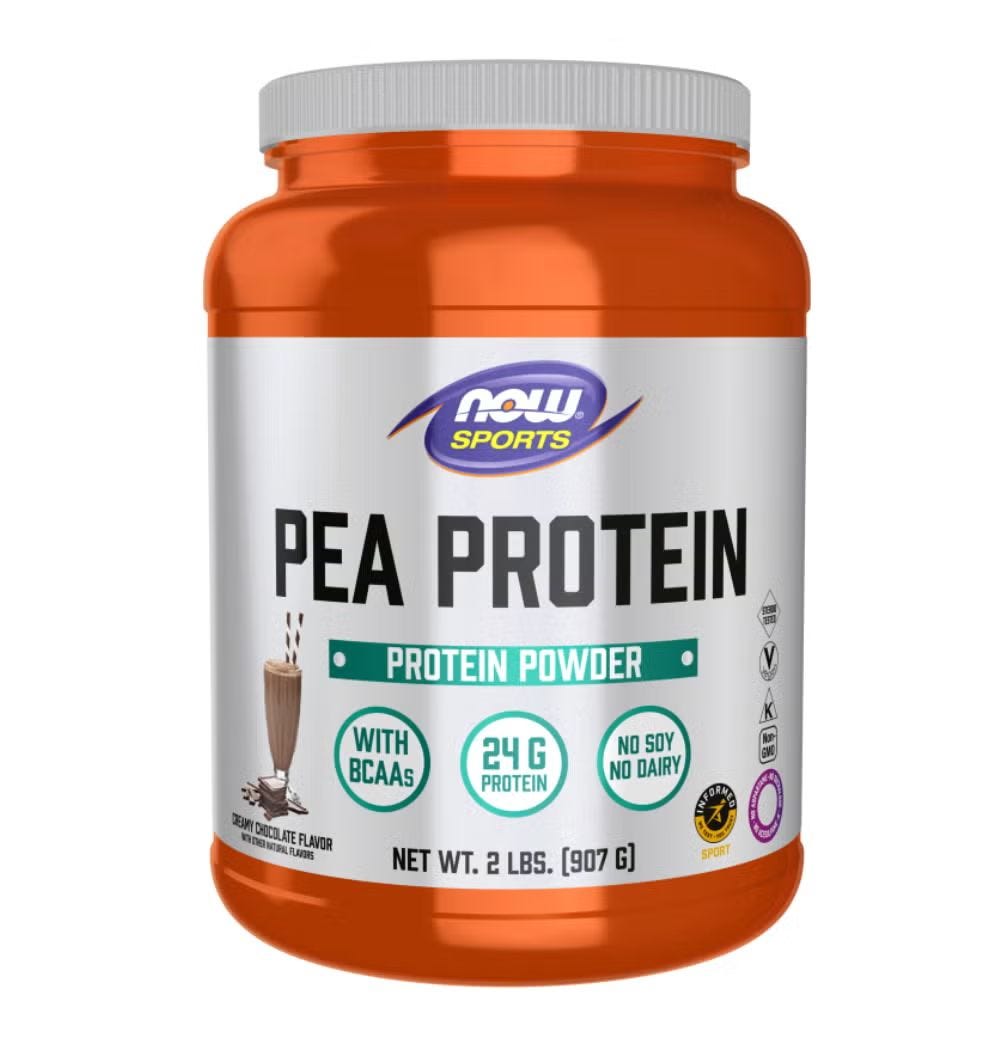
NOW Sport Nutrition Pea Protein

NOW Sport Nutrition Pea Protein
Pros
- Complete plant-based protein with all nine essential amino acids
- Full amino acid profile is disclosed
- Informed Sport Certified
Cons
- Thicker texture than many whey protein powders
- Unflavored version may have a noticeable soy taste
One serving provides 20 grams of soy protein, a complete plant protein with all nine essential amino acids. NOW also publishes the full amino acid profile, so you can see exactly what you’re getting in each serving, and the powder is Informed Sport Certified.
Soy is a solid option for supporting muscle, too. In a study published in the Journal of the Academy of Nutrition and Dietetics, soy, whey, and a whey-soy blend produced similar gains in lean body mass and strength when paired with resistance training.
All three flavors work well in shakes, smoothies, oatmeal, and other recipes. Chocolate and vanilla add some sweetness and flavor, while unflavored gives you more flexibility for savory dishes or recipes where you don’t want the protein powder competing with other ingredients.
Read More: Best Protein Powders
| Protein Source | Soy protein |
| Protein per Serving | 20 grams |
| Flavors | Creamy chocolate, creamy vanilla, unflavored |
| Third-Party Testing | Informed Sport Certified |
Fairlife Nutrition Plan High Protein Shake

Fairlife Nutrition Plan High Protein Shake
Pros
- Provides complete, high-quality milk protein to support muscle
- Excellent source of calcium and vitamin D to support bone health
- Lactose-free and shelf-stable for added convenience
Cons
- Contains artificial sweeteners
- Only available in two flavors
I’ve tried my fair share of protein shakes, and I genuinely love this one. The chocolate tastes remarkably close to regular chocolate milk, without that “protein-y” flavor I notice in many shakes. The biggest challenge may be not chugging the entire bottle.
And there’s plenty of protein behind that chocolate-milk taste: Each bottle provides 30 grams of complete milk protein for 150 calories, plus 60 percent of the Daily Value for calcium and 25 percent for vitamin D, giving you nutrients that support both muscle and bone.
It’s also lactose-free, with lactase added to break down the lactose, while ultrafiltration concentrates the protein naturally found in milk. Just keep in mind that lactose-free doesn’t mean dairy-free, so this one won’t work if you avoid milk altogether.
The unopened bottles are shelf-stable, so you can toss one in your work bag or suitcase or keep a few on hand for days when mixing a shake feels like one step too many.
Read More: Best Vitamin D Supplements for Women
| Protein Source | Ultra-filtered milk (casein and whey) |
| Protein per Serving | 30 grams |
| Flavors | Chocolate, vanilla |
| Third-Party Testing | N/a |
Quest Nutrition Ultimate Protein Bars Variety Pack

Quest Nutrition Ultimate Protein Bars Variety Pack
Pros
- Provides a substantial amount of complete protein from milk and whey protein isolates
- More than 10 grams of fiber in many flavors
- Widely available with plenty of flavor options
Cons
- Sugar alcohols may cause digestive upset for some people
- Denser, chewier texture may not appeal to everyone
Many protein bars fall short on protein, but Quest gives you 20 to 21 grams per bar, mostly from milk protein isolate and whey protein isolate. Both are complete proteins, so you’re getting a substantial amount in something you can throw in your bag rather than mix in a shaker.
The bars also pack in plenty of fiber, with many flavors providing more than 10 grams per bar. That can help them feel filling, though higher fiber content, sugar alcohols, and other sugar substitutes may cause digestive discomfort for some people. If you prefer a smaller portion, select flavors also come in minis with 8 grams of protein and 5 grams of fiber each.
You’re not stuck choosing between two or three flavors, either. Quest makes everything from chocolate chip cookie dough and cookies & cream to lemon cake and s’mores, so you have some room to figure out which ones you actually like. The bars are also certified gluten-free.
Another reason I keep coming back to Quest is how accessible the bars are. They’re sold at plenty of grocery and convenience stores, so you can grab one on the road, between errands, or when you didn’t have time—or simply forgot—to pack something ahead.
Read More: Best Protein Bars for Women
| Protein Source | Milk protein isolate, whey protein isolate |
| Protein per Serving | 20-21 grams |
| Flavors | Apple pie, birthday cake, blueberry muffin, chocolate brownie, chocolate chip cookie dough, chocolate peanut butter, cookies & cream, double chocolate chunk, lemon cake, mint chocolate chunk, pumpkin pie, s’mores, strawberry shortcake, white chocolate raspberry |
| Third-Party Testing | N/a |
Huel Black Edition Meal Replacement Shake

Huel Black Edition Meal Replacement Shake
Pros
- More nutritionally complete than a typical protein shake
- Shelf-stable and ready to drink
- Wide variety of flavors, including a variety pack
Cons
- Stevia may leave a noticeable aftertaste
- Plant-based taste and texture may not appeal to everyone
Unlike a typical protein shake, this one can actually stand in for a meal. Each bottle provides about 400 calories and 35 grams of plant-based protein, plus carbs, fats, at least 6 grams of fiber, and 27 essential vitamins and minerals.
The protein comes from pea and faba bean proteins, which together provide all nine essential amino acids. You’ll also get calcium and vitamin D to help support bone health as you age.
The bottles are shelf-stable, so they’re easy to take with you when you need a meal without any prep. I’m partial to the chocolate, which is rich and smooth without being overly sweet. Strawberry banana is another favorite, although the banana definitely comes through more strongly. Other options include cookies & cream, vanilla, iced coffee, and chocolate peanut butter. I especially like the variety box if you want to try a few before committing to a full case of the same flavor.
Huel is regulated as a conventional food rather than a dietary supplement, but the company routinely tests its raw materials and finished products for heavy metals, allergens, microbes, and pesticides.
Read More: Meal Replacement Shakes Guide
| Protein Source | Pea protein, fava bean protein |
| Protein per Serving | 35 grams |
| Flavors | Chocolate, strawberry banana, cookies & cream, vanilla, iced coffee, chocolate peanut butter |
| Third-Party Testing | Raw-material and finished-product testing |
Vital Proteins Collagen Peptides Powder

Vital Proteins Collagen Peptides Powder
Pros
- 20 grams of collagen peptides per serving
- Unflavored version has just one ingredient for a simple formula
- NSF Certified for Sport
Cons
- Not a complete protein
- Does not include a measuring scoop
The unflavored version gives you 20 grams of collagen peptides and 18 grams of protein, with just one ingredient: collagen peptides from grass-fed, pasture-raised bovine hide. The bovine collagen provides primarily types I and III collagen, which are abundant in skin, bone, and connective tissue.
Collagen has some promising research behind it. In one study, postmenopausal women who took collagen peptides daily for 12 months had greater improvements in bone density in the spine and hip than women who didn’t take collagen. Research also suggests collagen peptides may support skin and joint health.
You can choose from flavored options like chocolate and vanilla or stick with unflavored for more versatility. I like stirring the unflavored powder into Greek yogurt or blending it into a smoothie with whey, so you get the collagen alongside a complete, leucine-rich protein.
Because collagen is regulated as a dietary supplement, third-party testing matters here. The good news is that Vital Proteins is NSF Certified for Sport.
Read More: The Best Collagen Peptides
| Protein Source | Grass-fed bovine collagen peptides |
| Protein per Serving | 18 grams |
| Flavors | Chocolate, strawberry lemon, vanilla |
| Third-Party Testing | NSF Certified for Sport |
What to Consider
What are the different protein sources I should know about?
Protein sources differ in the types and amounts of amino acids they provide. Amino acids are the building blocks of protein, and nine are considered “essential” because your body can’t make them on its own.
Whey, which comes from milk, contains all nine essential amino acids and is naturally high in leucine, an amino acid that helps trigger muscle building and repair. Around 2.5 to 3 grams of leucine per serving is a useful target, which you’ll typically get from about 25 to 30 grams of whey protein.
For a plant-based option, soy contains all nine essential amino acids. Pea protein and plant-based blends can work well, too, although you may need a little more to get similar amounts of leucine and other essential amino acids.
Collagen doesn’t contain all nine essential amino acids, so it’s not a complete protein or optimal for supporting muscle. However, it can still add to your daily protein intake and may offer benefits for your skin, bones, and connective tissues.
What amount of protein should I look for in a protein supplement?
I generally recommend looking for about 20 to 30 grams of protein per serving. As you get older, your muscles can become less responsive to protein, a phenomenon known as anabolic resistance. Adequate, high-quality protein provides the amino acids your muscles need to build and repair.
Not every meal or snack needs to hit that range, but it’s a useful benchmark when comparing products and helps ensure you’re getting a substantial amount of protein in a single serving.
What’s the best kind of protein supplement for how I’ll use it?
Think about where and when you’re most likely to use a protein supplement to make sure it fits into your routine. Each option has its advantages:
- Protein powder: Choose powder if you want something versatile that you can mix into shakes, oatmeal, yogurt, or other meals and snacks.
- Ready-to-drink (RTD) shake: Keep one handy for work, travel, or anytime you want protein without mixing or prepping anything.
- Protein bar: Throw one in your bag when you want a portable protein option that doesn’t require any prep or refrigeration.
- Meal replacement: Reach for one when you need something more substantial in place of a meal. Look for enough calories, protein, carbohydrates, fat, and fiber to make it filling and well-rounded.
- Collagen: Consider it if you specifically want to add collagen to your routine. Unflavored powders stir well into coffee, oatmeal, smoothies, and other foods or drinks without adding much flavor.
If you’re buying a powder, think about flavor, too. If you usually mix it with water or milk, you may prefer a flavored option, while unflavored gives you more flexibility with what you add it to. Texture and mixability matter as well, especially if you’re particular about thick, gritty, or chalky shakes.
What do I need to know about third-party testing of protein supplements?
If a protein powder will be a regular part of your routine, third-party certification can offer extra reassurance about what you’re getting. Programs such as NSF Certified for Sport, Informed Sport, and Informed Choice can verify that what’s in the product matches the label and screen for certain contaminants or substances banned in sport, depending on the certification.
Protein bars, meal replacements, and some ready-to-drink shakes are regulated as conventional foods rather than dietary supplements, so these certifications may not apply.
How We Selected
I’m a St. Louis-based registered dietitian with a decade of experience in nutrition writing and editing, plus an M.S. in Nutrition and Dietetics from Saint Louis University. After evaluating dozens of protein products, I narrowed down the best options with the help of WH editors, including fitness and reviews editor Natascha Grief, NASM-CPT. Whether you prefer versatile powders, grab-and-go bars, ready-to-drink shakes, or vegan-friendly formulas, each pick helps women meet their everyday protein needs.
More Supplements We Love
Best Supplements | Best Protein Powders for Weight Loss | Best Multivitamins for Women | Best Fiber Supplements | Best Magnesium Supplements | Best Fish Oil Supplements | Best Collagen Peptides | Best-Tasting Protein Powders | Best Vegan Protein Powders | Best Whey Protein Powders | Best Green Supplements | Best Iron Supplements
Natascha is an editor and writer covering health, fitness, and the ways people move through the world. She’s been a NASM-certified personal trainer for more than a decade, with a background in functional strength training, corrective exercise, nutrition, and behavior change. She has additional CES, CNC, BCS, and SFC certifications. She is also a level-2 certified Spinning instructor. Her work has appeared in Bicycling, Runner’s World, and other outlets, and her experience spans both editorial and hands-on work across the fitness industry. Whether she’s writing about training, health, or performance, she’s most interested in making complicated topics useful, approachable, and helpful.


How to Eat to Lose Fat and Build Muscle

The Best Pre-Workout Snacks of All Time

5 Signs You Need To Eat More Protein, Per Experts
7 Best Protein Powders for Women, Tested by an RD